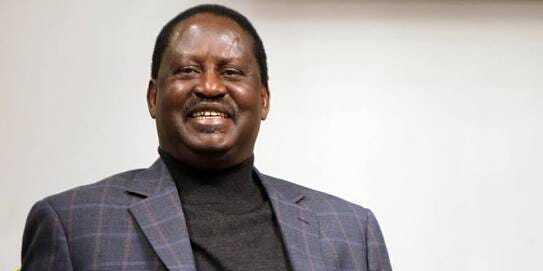
The Engine of Change
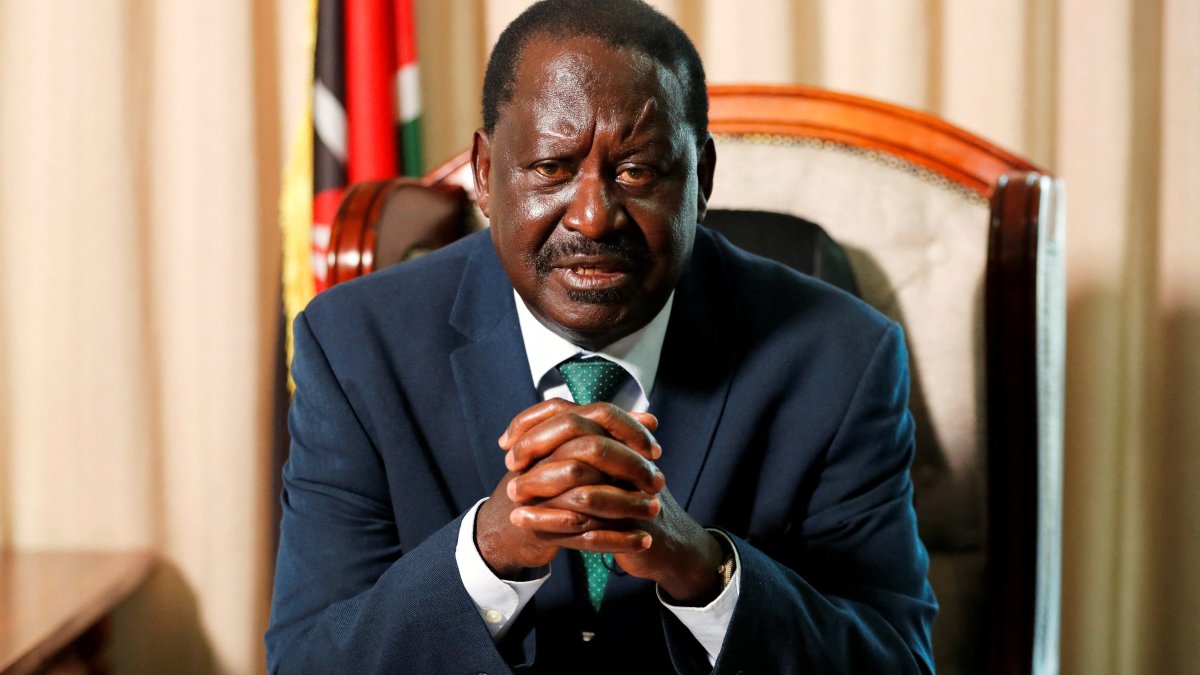
Raila Amollo Odinga’s life story is not merely a record of a political career; it is the definitive blueprint for modern democratic resilience in Kenya. His journey, marked by immense personal sacrifice and driven by a structural, engineer’s mindset, reshaped the very architecture of the nation. He was the unwavering engine that powered Kenya’s transformation from a centralized state to a dynamic multi-party democracy.
His commitment was forged in the harshest crucible. During the 1980s and 90s, when the nation was mired in authoritarianism, Odinga stood at the forefront of the struggle for democracy. His defiance led to nearly nine cumulative years of detention without trial. These were not lost years; they were a profound investment in freedom, cementing his moral authority as the champion of Kenya’s Second Liberation.
What set Odinga apart was his dual nature as a revolutionary and an institutional architect. Having trained as a Mechanical Engineer in East Germany , his political vision was not just about ideology, but about structural efficiency and good governance. This is why his impact was so enduring: he focused on fixing the systems, not just winning the election.
As a Cabinet Minister, he applied this rigor, initiating significant reforms in the energy sector that led to the creation of KenGen and boosted Kenya’s power supply. He played a pivotal role in laying the intellectual foundation for Kenya Vision 2030, setting the country on a path toward long-term socio-economic growth.
The Architect of a New Kenya
Odinga’s greatest institutional triumph was the successful campaign against a centralized constitution in 2005 and, subsequently, his instrumental role in the promulgation of the progressive Constitution of Kenya 2010. He successfully championed the fundamental principle of devolution, the redistribution of power and resources away from the center to local communities. This enduring structural reform is the ultimate expression of his commitment to inclusivity and justice, ensuring that political power serves all Kenyans.
Even when out of office, his power was undeniable. Following the disputed 2017 election, his legal challenge led to an unprecedented moment in African jurisprudence: the nullification of the presidential vote, a victory that cemented the independence and authority of the judiciary under the new Constitution.
His willingness to choose dialogue over division, most notably through the internationally mediated solution to the 2007 crisis (the KNDR framework) and the 2018 Handshake with President Kenyatta, demonstrated his defining trait: a leader whose presence was often mandatory for national stability. His power lay in his ability to force a national conversation and renegotiate the social contract for the common good.
A Call to Uphold the Legacy
Raila Amollo Odinga leaves behind a legacy defined by courageous opposition, visionary institutional building, and high-stakes statesmanship that earned him a significant role as the African Union High Representative for Infrastructure Development.
He showed us that true leadership is not about personal gain, but about sacrificing for fundamental, lasting change. His legacy lives in every constitutional right we enjoy, every devolved resource, and every independent judicial ruling.
The call to action for every Kenyan is simple: His struggle cannot be in vain. We must become guardians of the institutions he fought so hard to create. We must uphold the spirit of the 2010 Constitution, insist on dialogue and conciliation over polarization, and commit ourselves to the national unity and shared prosperity that defined the lifetime ambition of the ‘People’s President.’