For most of my career, support for MSMEs in Kenya was a side conversation. It happened in donor workshops, in the last agenda item of trade forums, in policy papers that circulated among the same fifty people. The businesses themselves were somewhere else entirely, doing the work, largely unwatched.
That has changed, and this week confirmed it.
The Strongest Cohort Yet

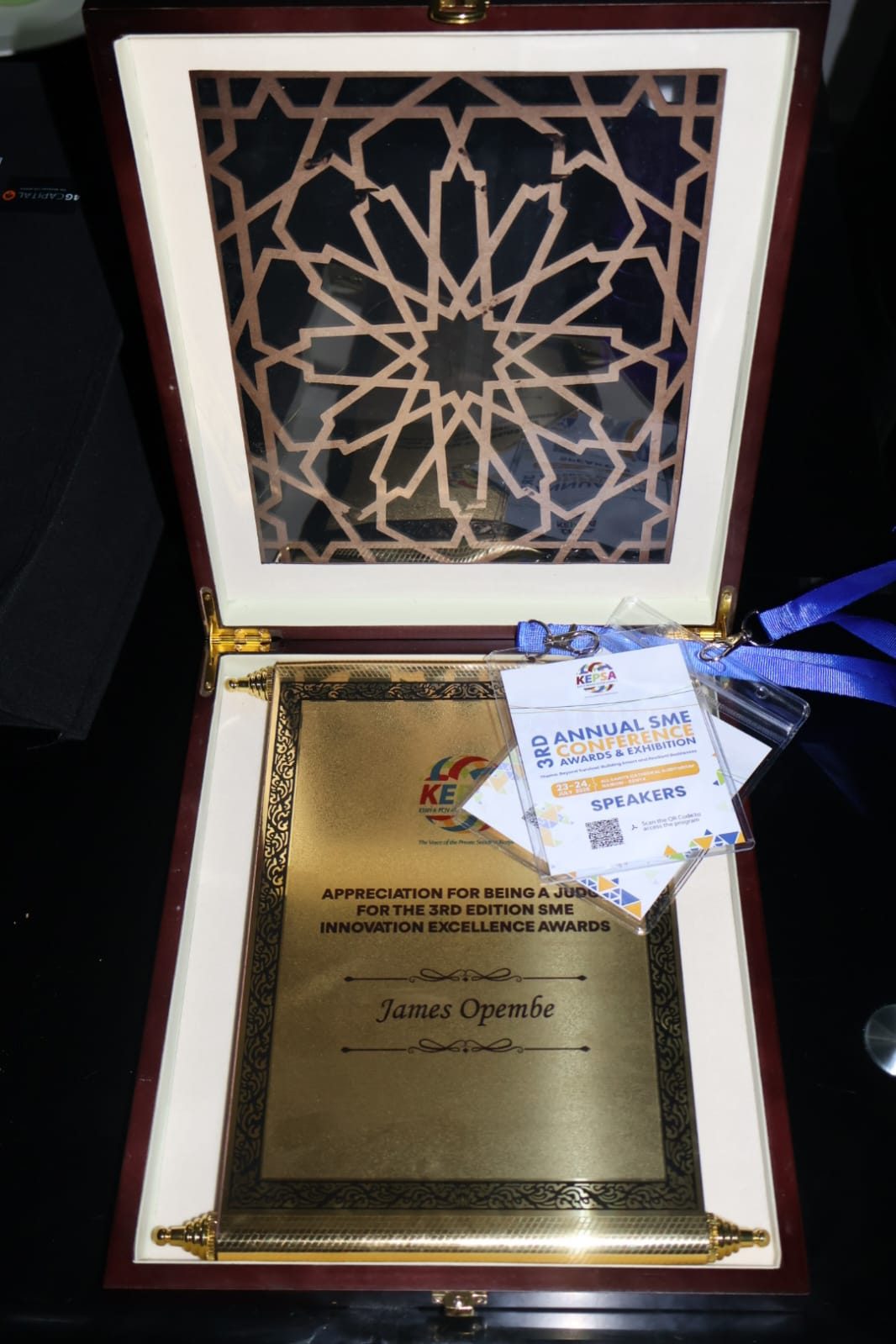
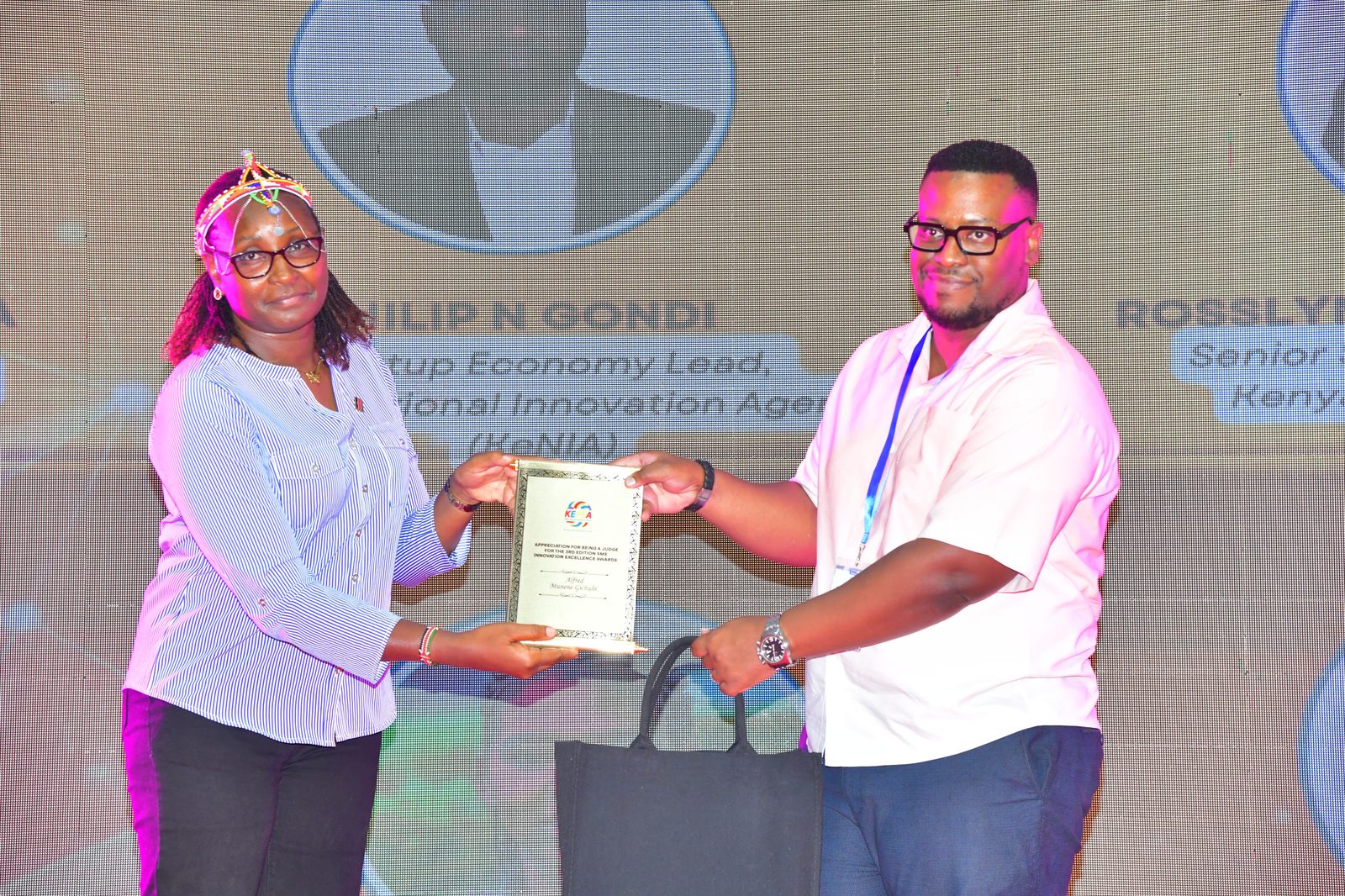
This year I sat again on the judging panel for the KEPSA SME Awards, and the cohort was the strongest I have reviewed. Not strong in the sentimental sense. Strong in the specific sense: businesses that repriced when their input costs moved, that kept records clean enough to withstand scrutiny, that built teams instead of depending on one exhausted founder, that held customers through two difficult years and came out with better terms than they went in with. Reading those applications, you are not reading survival stories. You are reading management.
The Attention on MSMEs in Kenya Is Real
And the attention around them is real. A dedicated Ministry of MSMEs exists. A national credit score initiative is in motion. The MSME Act and the BDO Act are on the books. Biashara Centres are open. Programmes like KJET and Women in Business are funded and running. Investors on the conference floor this week said the same thing they say at every forum: the capital is there, and they are actively looking. Corporate buyers are asking better questions about their supplier base than they were five years ago.
None of this is finished work. Anyone who reads this blog knows I spend most of my time on the gaps: the paperwork that costs money before it earns any, the payment terms that quietly strangle good businesses, the readiness requirements that arrive without a manual. Those problems are still on my desk every morning.
There is a difference between a sector struggling while nobody watches and a sector struggling while everyone leans in.
The second one has a trajectory. Kenya's MSMEs are now in the second category, and that shift took years of work by people across public and private institutions who kept the subject on the table when it was easier to move on.

Beyond Survival
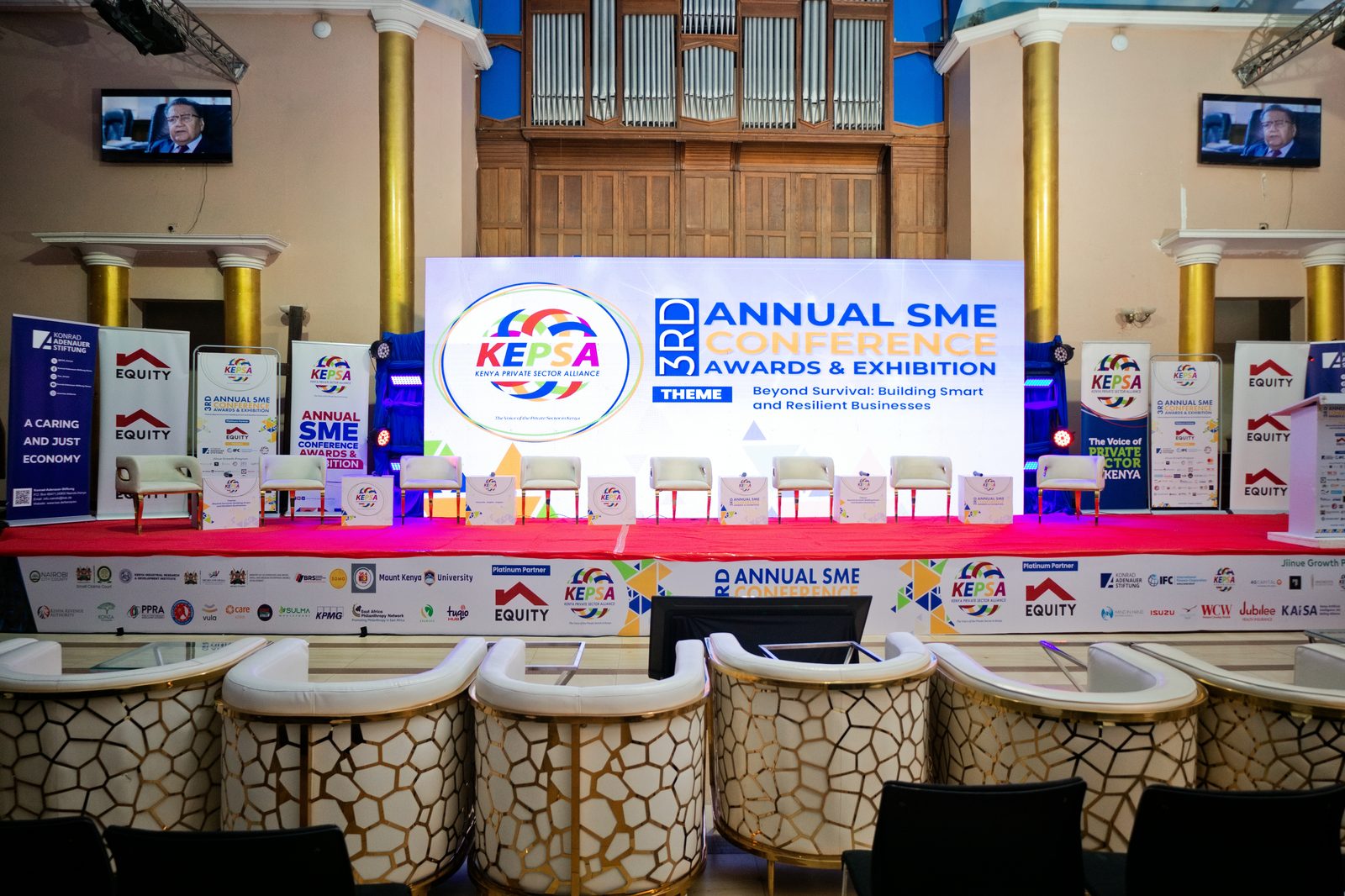
It is also why this year's conference theme sat where it did: Beyond Survival, Building Smart and Resilient Businesses. Two days at All Saints Cathedral Auditorium made the case in person. The exhibition floor was full of businesses selling, not pitching for sympathy. The panels argued about governance, records and payment terms rather than motivation. And the businesses we judged and awarded have already had the survival conversation and closed it. The next one is about building deliberately, with systems, records and structures that let a business grow past its founder and hold its own in any room it enters.
The entrepreneurs are ready for that conversation. This week showed that everyone watching them is ready too. That alignment does not come around often. It is here now, and the sensible response is to use it.
The Eyes Are Finally
on MSMEs
Kenya's small businesses are no longer working unwatched. Government, capital and corporate buyers are leaning in at the same time.
Struggling while nobody watched. MSME support was a side conversation in donor workshops and policy papers.
Struggling while everyone leans in. Ministries, investors, buyers and institutions are actively solving for MSMEs.
The problems are the same. The trajectory is not.
Repriced when input costs moved
Kept records that withstand scrutiny
Built teams beyond the founder
Held customers on better terms
Not survival stories. Management.
Alignment like this does not come around often.
It is here now. The sensible response is to use it.
Could Your Business Survive the Judges’ Questions?